Meet Our Interns: Fall 2026
Each semester, we work with a group of talented UNL undergraduate students who assist with all aspects of the Schooner‘s production process. Get to know each of our four interns for the Fall 2026 semester below!
Meg Cordes
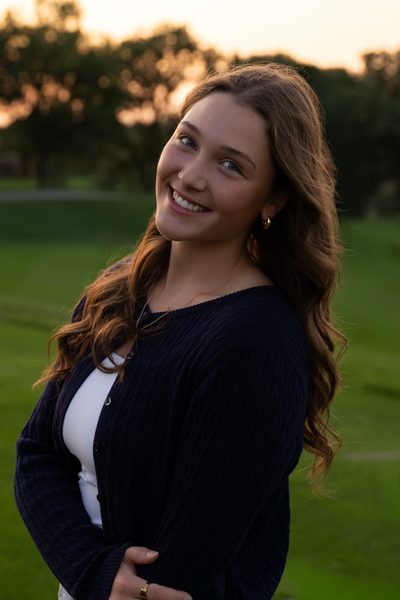
- What’s your major? Secondary Education: English Language Arts
- What made you want to intern for Prairie Schooner? As someone who loves all things literature, I wanted experience on the publishing side of things, rather than just the creative side. I’ve already learned so much, and I can’t wait to learn even more!
- What is your favorite piece from the current issue (summer 2026)? “Ampersand, Revisited” by Allison C. Macy-Steines
- What book/story/poem would you want to read again for the first time? Project Hail Mary by Andy Weir
- What has been on your to-watch or to-read list for the longest time? East of Eden
- What is your favorite natural feature in the world? It’s a tie between the black sand beaches of Iceland and the Grand Tetons.
Margot Gissler
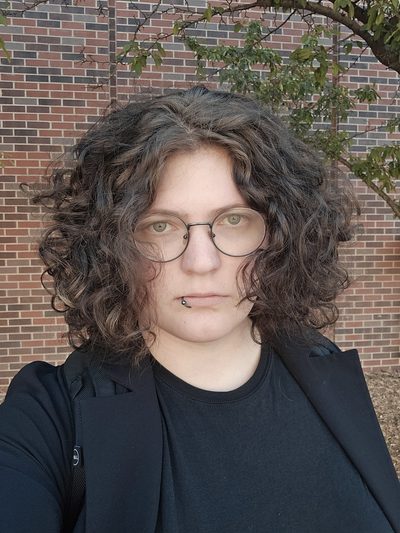
- What’s your major? English major, history minor
- What made you want to intern for Prairie Schooner? I wanted to join the Schooner team after having been on the Laurus team, which I learned about in my creative writing classes.
- What is your favorite piece from the current issue (summer 2026)? “Model Woman” by Liz Breazeale, easily
- What book/story/poem would you want to read again for the first time? Call me a little basic, but I’d love to read The Lord of the Rings again with fresh eyes.
- What has been on your to-watch or to-read list for the longest time? Twins, 1988. I just haven’t gotten around to this Danny DeVito and Arnold Schwarzenegger film.
- If you could choose two cybernetic enhancements, one for fun and one for utility, what would they be? I’d have to first ship-of-Thesus my brain and then let the eyes follow suit. I’d still wear glasses, to be honest.
- Which of the classic universal monsters (Count Dracula, Frankenstein’s monster, etc.) do you relate to the most? Dracula. See how I dress?
- What is your favorite natural feature in the world? Alice Lake, where light pollution is minimal.
Hayley Grudzinski
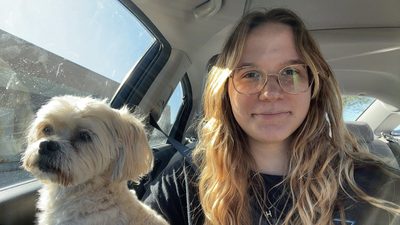
- What’s your major? I am an English major.
- What made you want to intern for Prairie Schooner? I wanted to intern for Prairie Schooner because I hope to work in the editing and publishing field after graduation and have a passion for reading!
- What is your favorite piece from the current issue (summer 2026)? My favorite piece from the current issue is “Eulie and Me” by Ifeona Fulani.
- What book/story/poem would you want to read again for the first time? I would love to read the Powerless trilogy by Lauren Roberts again.
- What has been on your to-watch or to-read list for the longest time? The Poppy War has been on my to-read list, and Practical Magic has been on my to-watch list for a long time.
- Which of the classic universal monsters (Count Dracula, Frankenstein’s monster, etc.) do you relate to the most? I relate to Dracula, specifically from Hotel Transylvania, the most because he is sassy and stubborn.
- What is your favorite natural feature in the world? My absolute favorite natural feature is the moon and stars.
Kaylie Mullins
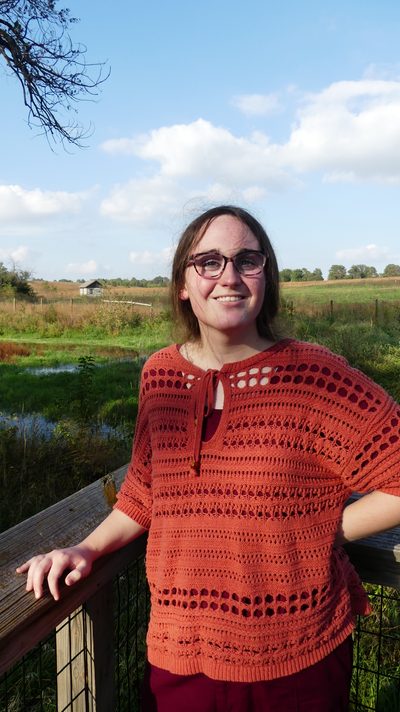
- What’s your major? English major, Software Development minor
- What made you want to intern for Prairie Schooner? I really want to work in the publishing industry so I can do nothing but read books and think about books all day!
- What is your favorite piece from the current issue (summer 2026)? My favorite from the Summer 2026 issue was the essay “Iron Byron” by Angie Romines.
- What book/story/poem would you want to read again for the first time? I would do anything to read Giovanni’s Room by James Baldwin for the first time again.
- Which of the classic universal monsters (Count Dracula, Frankenstein’s monster, etc.) do you relate to the most? A werewolf, of course. Sometimes, a girl’s just gotta wolf out.